In an era where smartphones have become an integral part of our daily lives, tech giants envision a future beyond smartphones. These industry leaders are innovating and strategizing to create new technologies that will redefine digital interaction. As we delve into this transformation, we’ll explore innovations such as Augmented Reality (AR), Virtual Reality (VR), Wearable Technology, and the Internet of Things (IoT), which are poised to take center stage.
See also Is Wurduxalgoilds Good? A Complete Guide to Features, Benefits, Usage, and Honest Evaluation
Tech Giants’ Vision Beyond Smartphones
As we move towards a post-smartphone era, leading tech companies like Apple, Google, Microsoft, and Meta (formerly Facebook) are charting new courses for digital interaction. These companies are not only focusing on emerging technologies but also redefining the ways we engage with the digital world.
Apple’s Future Beyond the iPhone
Apple has long been a pioneer in consumer electronics, and its vision for the future includes significant advancements in wearable technology and AR. The Apple Watch and AirPods have already set the stage for a future where devices become more integrated into our daily routines. With projects like Apple Glasses, Apple is pushing the boundaries of Augmented Reality, aiming to create immersive digital experiences that transcend the limitations of smartphone screens.
Google’s Tech Innovations
Google is at the forefront of Artificial Intelligence (AI) and machine learning, which are key components of their vision beyond smartphones. The development of Google Assistant and AI-driven services highlights their commitment to creating smart, intuitive digital ecosystems. Google’s investment in Virtual Reality through products like Google Cardboard and Daydream further emphasizes its dedication to redefining user experiences.
Microsoft’s Post-Smartphone Strategy
Microsoft’s focus on cloud computing and IoT showcases its strategy to move away from traditional smartphone reliance. With products like HoloLens, Microsoft is a major player in the AR and VR space, providing tools not just for entertainment but also for professional applications in fields like healthcare and education. Their commitment to a connected world is evident in their expanding Azure IoT offerings.
Meta’s Future Innovations
Meta (formerly Facebook) is betting heavily on the metaverse, a virtual reality space where users can interact within a computer-generated environment. Their investments in Oculus VR and advancements in social VR platforms are paving the way for a future where digital experiences are more immersive and social interactions are redefined.
Key Innovations Shaping the Future
The post-smartphone era is characterized by several key technological innovations that promise to change how we interact with the digital world.
Wearable Technology
Wearables like smartwatches and fitness trackers have already made significant inroads into consumer markets. The next generation of wearables will focus on more integrated features, including health monitoring, AR capabilities, and seamless connectivity with other devices via IoT.
Augmented and Virtual Reality
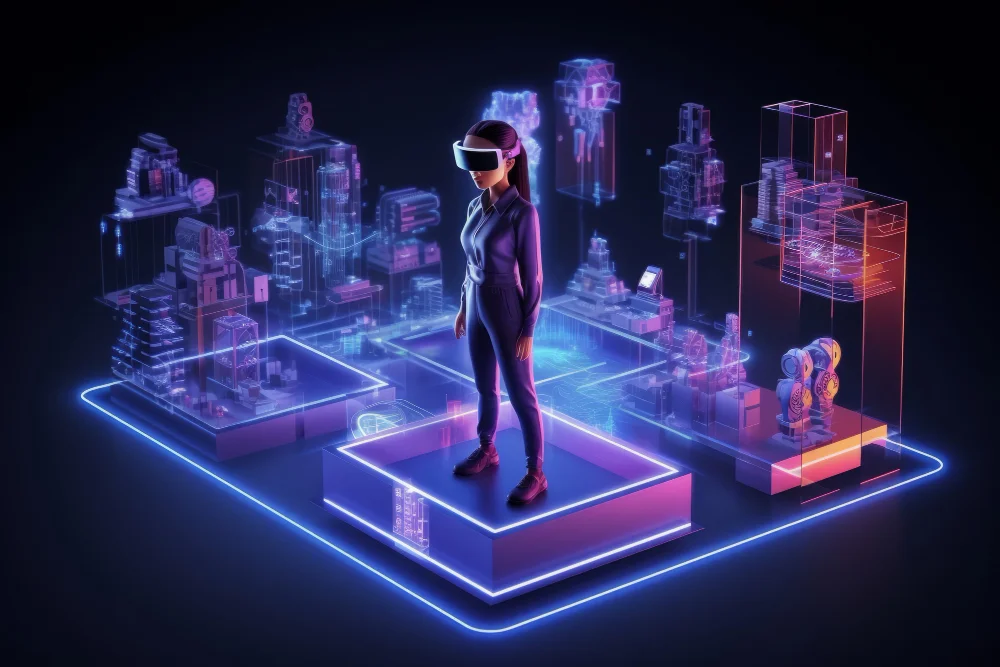
AR and VR technologies are not only transforming entertainment but also education, healthcare, and retail. By overlaying digital information onto the real world, AR provides new ways to interact with our environment. VR, on the other hand, offers fully immersive experiences that can transport users to entirely new worlds.
Internet of Things and Smart Homes
The IoT revolution is expanding the ecosystem of connected devices beyond smartphones. Smart home technologies, including smart speakers, thermostats, and appliances, are creating more efficient and automated living environments. This trend is expected to grow, with IoT devices becoming more pervasive and integrated into our daily lives.
Emerging Technologies: Brain-Computer Interfaces
Although still in its infancy, brain-computer interface technology holds the potential to revolutionize how we interact with digital devices. By enabling direct communication between the brain and machines, this technology could lead to new forms of interaction that bypass traditional input methods.
Impact on Consumers and Industries
The shift beyond smartphones will have widespread implications for both consumers and industries.
Changes in Daily Life
As these technologies become more prevalent, daily life will be transformed in numerous ways. From enhancing personal health monitoring through wearables to creating more personalized and immersive media experiences, the impact on consumers will be profound.
Industry Transformations
Industries such as healthcare, education, and retail are poised for significant change. AR and VR can provide virtual training environments, enhance customer experiences, and improve patient outcomes. Additionally, AI-driven analytics and IoT devices will enable more efficient and responsive business operations.
Challenges and Opportunities
While the opportunities are immense, there are also significant challenges to overcome in a post-smartphone world.
Technological Barriers
- Ensuring seamless integration and interoperability among diverse devices.
- Addressing privacy and security concerns associated with increased connectivity.
- Overcoming technical hurdles in developing robust AR and VR systems.
Ethical and Privacy Concerns
As technology becomes more pervasive, ethical considerations around data privacy, surveillance, and consent become increasingly important. Companies must navigate these issues carefully to maintain consumer trust and comply with regulatory requirements.
Future Predictions and Trends
Looking ahead, several trends are likely to shape the future of technology beyond smartphones.
Expert Insights
Industry leaders predict that the integration of AI and machine learning will continue to drive innovation, with AI becoming a core component of most digital ecosystems. The evolution of 5G technology will further facilitate the development and adoption of new devices and services.
Long-term Technological Evolution
In the long term, we can expect to see more advanced iterations of current technologies, such as more sophisticated wearables and smarter, more autonomous IoT devices. The continued development of brain-computer interfaces could lead to entirely new forms of interaction.
Conclusion
As tech giants envision a future beyond smartphones, they are paving the way for a new era of digital interaction. Through innovations in wearables, AR, VR, and IoT, these companies are not only changing how we engage with technology but also redefining the possibilities of what we can achieve. The journey is just beginning, and the future holds exciting potential for consumers and industries alike.
FAQs
What are the biggest tech companies planning beyond smartphones? Tech giants like Apple, Google, Microsoft, and Meta are focusing on innovations such as AR, VR, wearables, and IoT to shape a future beyond smartphones.
How will AR and VR change daily life? AR and VR will provide immersive experiences, enhance education and training, and transform entertainment and social interactions.
What role will AI play in future technology ecosystems? AI will be integral in driving automation, enhancing personal assistants, and providing data-driven insights across various industries.
What are the challenges of IoT adoption? Challenges include ensuring device interoperability, addressing security and privacy concerns, and managing the increased complexity of connected ecosystems.
How are tech giants addressing ethical concerns with emerging technologies? Companies are focusing on robust data privacy policies, ethical AI development, and transparent practices to build consumer trust.