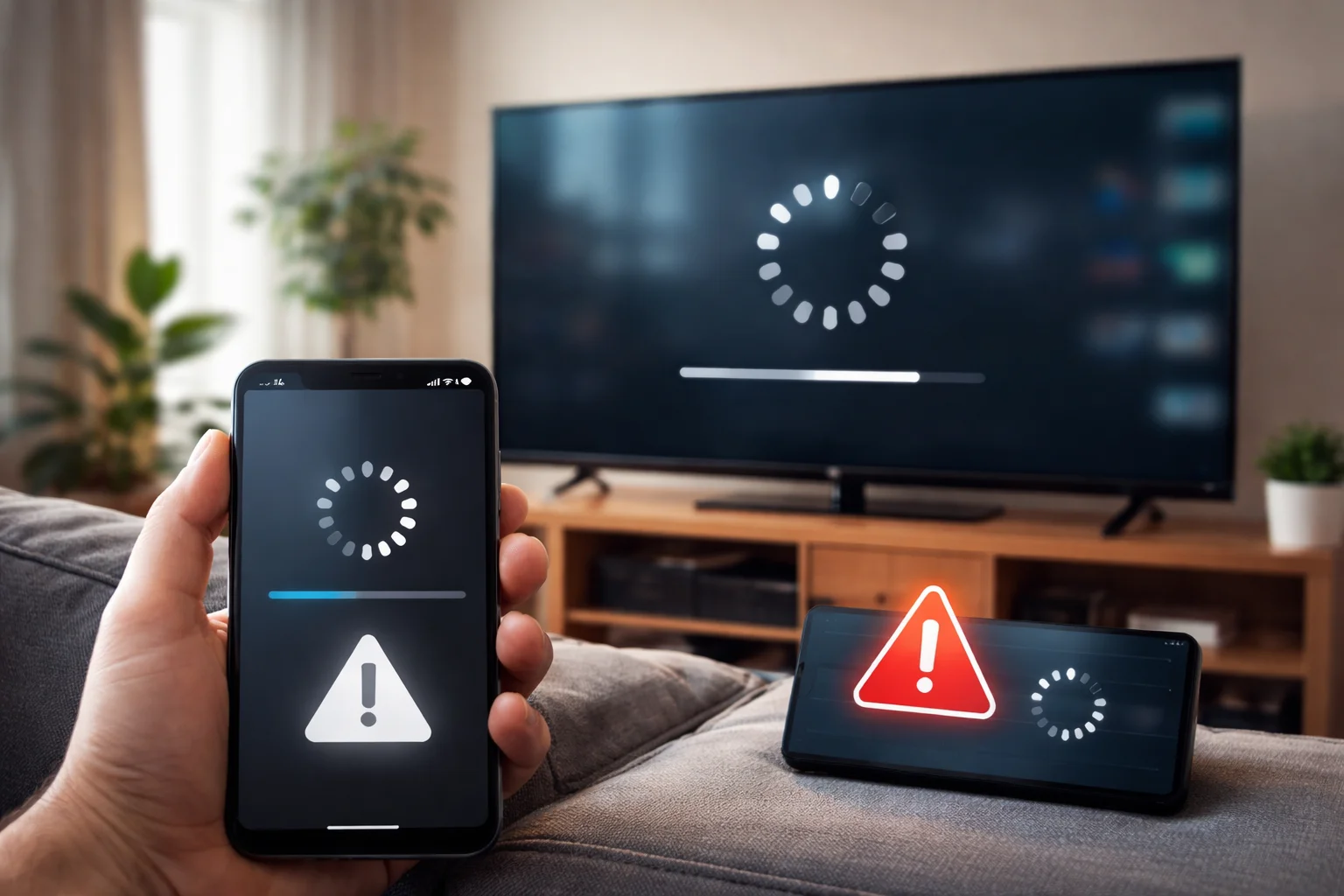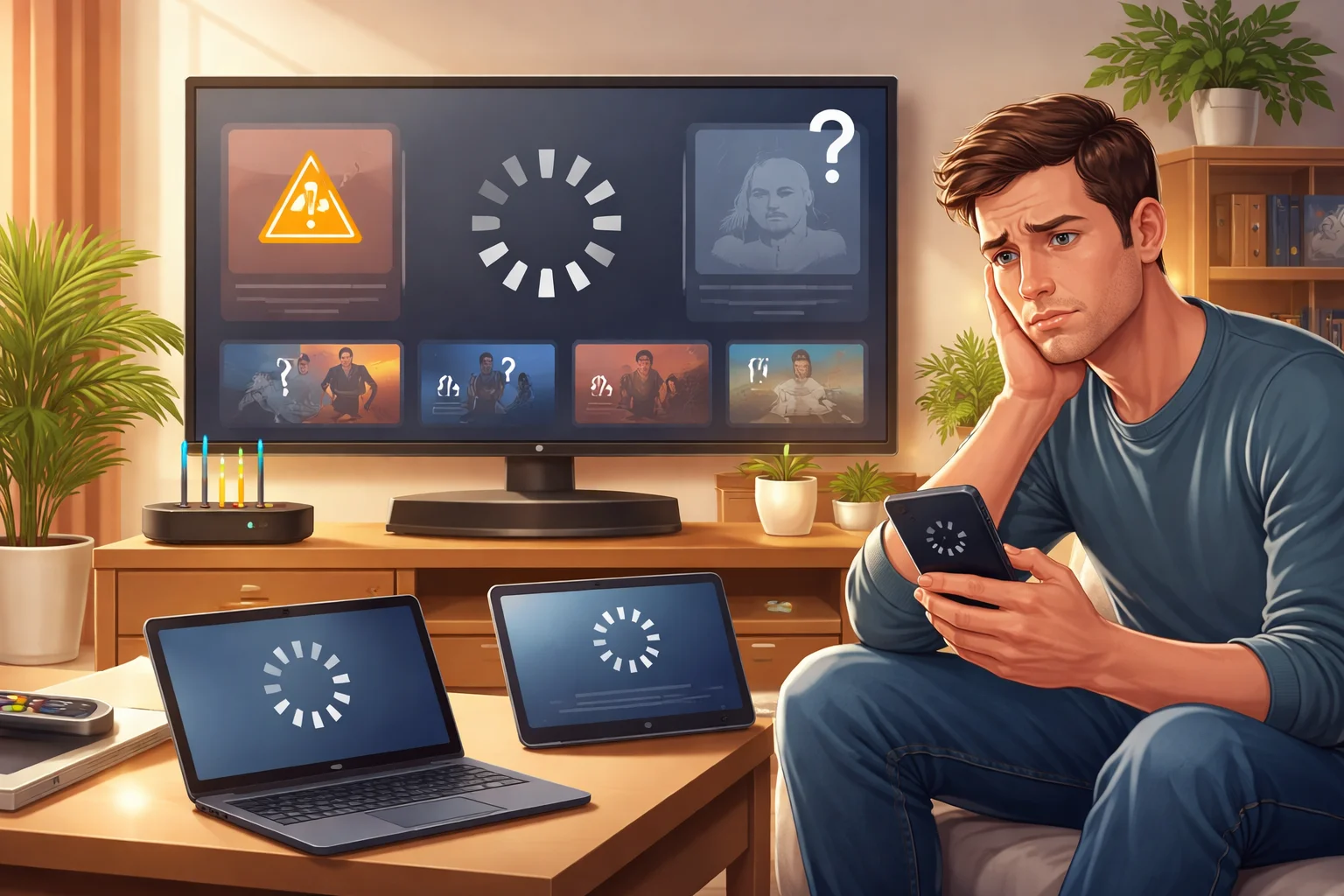
If you’ve ever sat down to relax and stream something—only to face buffering, missing shows, or confusing settings—you’re not alone. Streaming platforms are convenient, but they’re not always smooth. Many users experience similar frustrations, even when using well-known services.
This article walks through the most common streaming issues users face, why they happen, and what they usually mean for your viewing experience. The goal is simple: help you understand the problems so they feel less confusing and easier to manage.
Why do streaming platforms buffer or lag so often?
Internet speed is not always the real problem
Many people assume buffering means slow internet. Sometimes that’s true, but not always. Streaming relies on a stable connection, not just a fast one. Even brief drops in signal can cause pauses or quality drops.
Shared networks, background downloads, or weak Wi-Fi signals can interrupt the stream without you realizing it.
Platform servers can get overloaded
During peak hours or major releases, streaming platforms may struggle to handle traffic. This can cause lag even if your internet works fine for everything else.
When this happens, switching devices or restarting the app may not help—it’s usually temporary and resolves on its own.
See also How modern streaming platforms are structured
Why does video quality change unexpectedly?
Automatic quality adjustment can feel confusing
Most platforms adjust video quality automatically based on your connection. If your signal dips for a moment, the platform may lower resolution to keep playback running.
This can make shows suddenly look blurry, even if your internet feels stable overall.
Device limitations also matter
Older TVs, phones, or streaming sticks may not support higher resolutions smoothly. The platform may lower quality to prevent crashes or freezes.
This isn’t always clearly explained in settings, which can frustrate users.
Why are some shows or movies missing?
Content availability depends on region
Streaming libraries change by country. A show available in one region may not appear in another due to licensing rules.
This often confuses users who see recommendations online but can’t find the content in their own app.
Titles rotate in and out regularly
Even popular content can disappear when licensing agreements expire. Platforms usually don’t give much notice, which makes it feel sudden and unfair.
This is a business reality of streaming, not a technical error.
Why do apps crash or stop responding?
Software updates don’t always go smoothly
Apps need regular updates to stay compatible with devices. Occasionally, an update introduces bugs that cause crashes, freezing, or login errors.
Clearing cache or reinstalling the app often fixes this, but it’s understandably annoying.
Device storage and memory play a role
Streaming apps need free space and memory to run well. If your device is nearly full or running many apps at once, crashes become more likely.
This issue often shows up on older phones, tablets, or smart TVs.
Why is the user interface hard to navigate?
Too many features can reduce clarity
Streaming platforms try to offer recommendations, categories, profiles, and extras all at once. Over time, menus can feel cluttered or inconsistent.
See also How user experience and interface design affect streaming apps
Finding something specific may take longer than expected, especially for new users.
Algorithms don’t always match human taste
Recommendations are based on viewing behavior, not actual intent. Watching one thing out of curiosity can reshape your entire home screen.
This makes some users feel the platform “doesn’t understand” them.
Why do subtitles, audio, or sync issues happen?
Subtitle timing is not always perfect
Subtitles are often created separately from the video. Small timing mismatches can make dialogue feel off or distracting.
This is more common with older content or translated versions.
Audio sync can vary by device
Sound delays may happen due to Bluetooth speakers, soundbars, or TV processing settings. The same stream can behave differently across devices.
Adjusting audio delay settings can help, but many users don’t know these options exist.
Why do accounts log out or profiles reset?
Security measures can interrupt sessions
Platforms may log users out if they detect unusual activity, new locations, or multiple devices signing in.
While meant to protect accounts, it can feel disruptive if it happens often.
Profile data isn’t always synced instantly
Watch history, continue-watching lists, or preferences may take time to update across devices. This can make it seem like progress was lost.
Usually, the data reappears after a refresh or restart.
Frequently Asked Questions
Is buffering always caused by slow internet?
No. Buffering can also happen due to unstable connections, overloaded servers, or device limitations—even with fast internet.
Why does a show disappear from my streaming app?
Content availability depends on licensing. Shows may be removed when agreements expire or vary by region.
Do streaming problems mean the platform is bad?
Not necessarily. Most issues are shared across platforms and depend on networks, devices, or temporary technical limits.
Final thoughts
Streaming platforms have changed how we watch movies and shows, but they’re not perfect. Many common problems—buffering, missing content, confusing menus—are part of how these systems currently work.
Understanding why these issues happen makes them less frustrating. It also helps you decide when a problem is temporary, device-related, or simply out of your control.
The more informed you are, the easier it becomes to enjoy streaming for what it is: convenient, flexible, and still evolving.