If you’ve ever wondered why there are so many streaming platforms, what actually makes them different, or how to choose the right one for your needs, you’re not alone. Streaming has grown quickly, and for many people it now replaces traditional TV, DVDs, and even live broadcasts.
This article will help you understand how modern streaming platforms work, why they matter, and what to think about before choosing one. The goal is clarity, not persuasion—so you can make informed decisions with confidence.
What Is a Modern Streaming Platform?
A modern streaming platform is a digital service that delivers video, audio, or live content over the internet, without requiring downloads or physical media.
See also How the Voddler platform fits into the streaming ecosystem
Instead of owning a file, you access content on demand. You press play, and the content is delivered in real time to your device.
How streaming is different from traditional media
Traditional media relies on schedules, physical formats, or broadcasts. Streaming removes most of those limits.
You decide:
- What to watch or listen to
- When to start
- On which device
There is no fixed timetable and no need for storage space.
Why streaming became the default for many users
Streaming fits modern life. People move between phones, laptops, smart TVs, and tablets throughout the day.
Streaming platforms adapt to that behavior. Your content follows you, often remembering where you stopped and what you prefer.
How Streaming Platforms Actually Work
Understanding the basics of how streaming works can remove a lot of confusion and frustration.
On-demand vs live streaming
On-demand streaming lets you choose content from a library. Movies, series, documentaries, and podcasts usually fall into this category.
Live streaming delivers events as they happen. This includes sports, news, concerts, and gaming streams.
Many platforms now combine both in a single service.
Devices and internet requirements
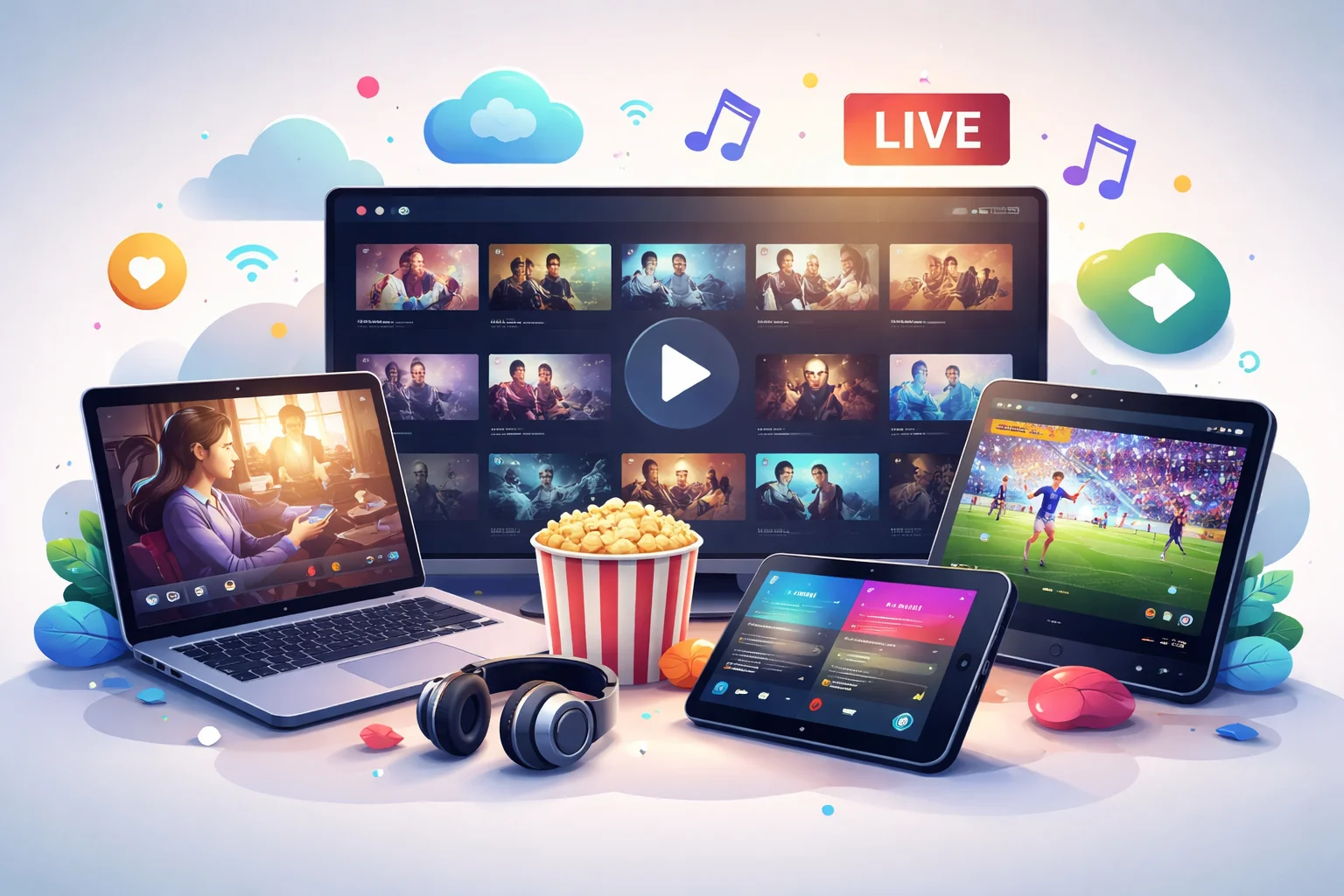
Most modern platforms work across:
- Smartphones
- Smart TVs
- Web browsers
- Gaming consoles
A stable internet connection matters more than raw speed. Consistency prevents buffering and quality drops.
The Different Types of Streaming Platforms
Not all streaming platforms serve the same purpose. Understanding the categories helps narrow your options.
Video entertainment platforms
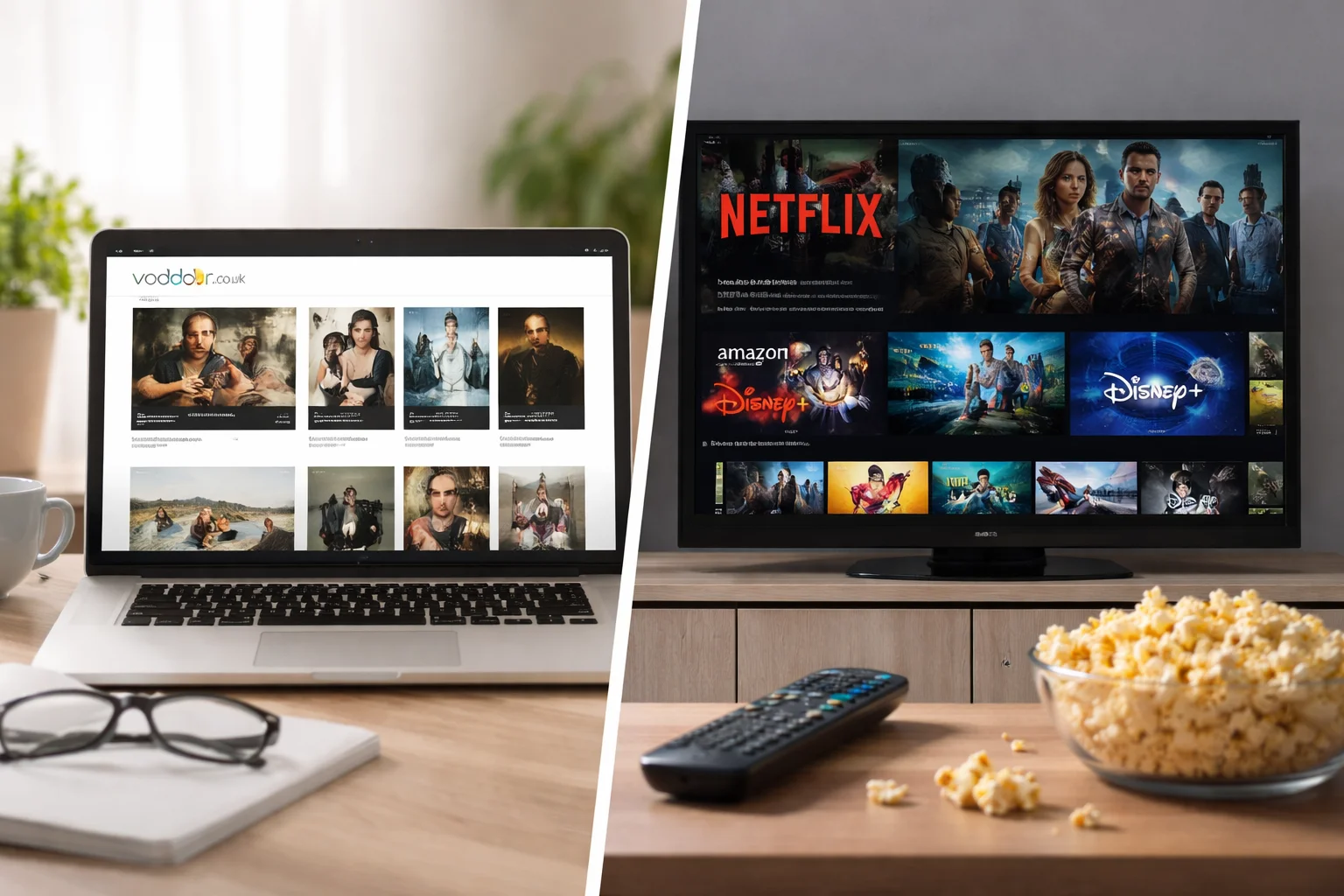
These focus on movies, series, and original productions. Examples include platforms like Netflix and Amazon Prime Video.
They are designed for long-form viewing and often invest heavily in exclusive content.
User-generated and social streaming platforms
Platforms such as YouTube allow anyone to upload content.
Here, you’ll find tutorials, vlogs, commentary, and short-form entertainment alongside professional productions.
Music and audio streaming platforms
These platforms focus on music, podcasts, and audio storytelling. Personalization and discovery tools are especially important in this category.
Live-focused platforms
Some platforms prioritize real-time interaction, such as live gaming, events, or discussions. Chat features and community engagement are central to their experience.
What Makes One Streaming Platform Better Than Another?
“Better” depends on what you value. No single platform is best for everyone.
See also How pricing and access models work in practice
Content quality and variety
Some platforms specialize in depth, others in breadth. A smaller library can still be valuable if it matches your interests.
Ask yourself whether you want:
- New releases
- Niche content
- Family-friendly options
- Educational material
User experience and interface
A clean interface saves time and reduces frustration.
Good platforms make it easy to:
- Find content quickly
- Resume where you left off
- Discover related material naturally
Pricing and access models
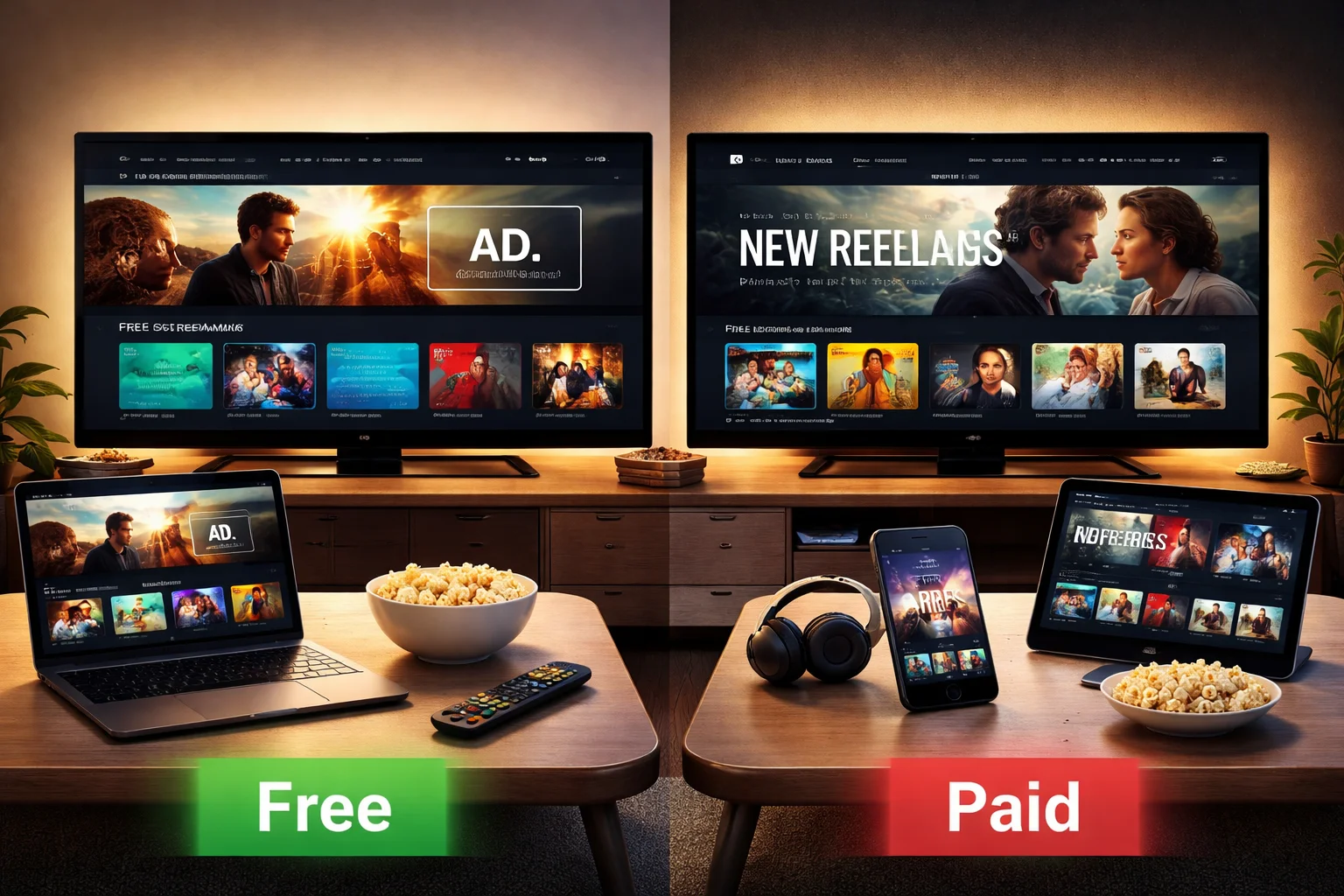
Some platforms use subscriptions. Others rely on ads, rentals, or mixed models.
Understanding how often you’ll actually use a service helps determine whether the cost makes sense.
Personalization and Recommendations: Helpful or Overwhelming?
Modern streaming platforms rely heavily on personalization.
How recommendations are generated
Platforms observe what you watch, skip, or search for. Over time, they adjust suggestions to match your habits.
This can save time, but it can also narrow your exposure.
Staying in control of your viewing habits
You can stay intentional by:
- Exploring outside recommendations
- Using search instead of auto-play
- Adjusting profiles for different household members
Streaming should serve your curiosity, not limit it.
Streaming Across Devices and Households
Streaming rarely happens on a single screen anymore.
Multi-device access
Most platforms allow seamless switching between devices. You might start on your phone and finish on your TV.
This flexibility is one of streaming’s biggest strengths.
Profiles and shared accounts
Profiles help separate preferences within families or shared households.
They also prevent recommendations from becoming confusing or irrelevant.
Privacy, Data, and User Trust
Streaming platforms collect data to function well, but trust matters.
What platforms typically collect
Common data includes:
- Viewing history
- Device type
- Location (general, not precise)
This helps improve playback and recommendations.
Making informed choices
Reading privacy settings and adjusting preferences can make a real difference.
You don’t need to avoid streaming—just understand how it works.
The Role of Streaming in Modern Culture
Streaming has changed how stories are told and shared.
Changing viewing habits
Binge-watching, short-form clips, and on-demand access have reshaped attention patterns.
Creators now think differently about pacing, episode length, and engagement.
Global access and cultural exchange
Streaming allows content from different countries and cultures to reach wider audiences.
This has expanded what people watch, listen to, and talk about.
Choosing the Right Streaming Platform for You
Instead of asking which platform is “best,” ask which fits your life.
Questions worth asking yourself
- How much time do I realistically spend watching or listening?
- Do I prefer depth or variety?
- Am I watching alone or with others?
- Do I value live content or on-demand flexibility?
Clear answers make decisions easier.
Frequently Asked Questions
Do I need multiple streaming platforms?
Not necessarily. Many people rotate platforms based on interest or cancel when they’re not actively using one.
Is streaming replacing traditional television completely?
For some users, yes. For others, it exists alongside traditional TV, especially for live events.
Can streaming work with slower internet connections?
Yes, as long as the connection is stable. Many platforms adjust quality automatically to match your speed.
Final Thoughts
Modern streaming platforms are tools. Their value depends on how well they match your habits, interests, and lifestyle.
Understanding how they work—rather than chasing trends—puts you in control. With clear expectations and mindful choices, streaming can be flexible, enjoyable, and genuinely useful over the long term.
The goal isn’t to watch more. It’s to watch better, on your own terms.