If you’ve ever opened a streaming app and wondered why some platforms are free while others ask for a monthly fee, you’re not alone. The difference isn’t always obvious, and the choice can feel confusing—especially when both options promise movies, shows, or live content.
This article will help you clearly understand how free and paid streaming platforms work, what you actually get from each, and how to decide which option makes sense for your habits, budget, and expectations.
What Do We Mean by Free and Paid Streaming Platforms?
Before comparing them, it helps to understand what “free” and “paid” really mean in the streaming world.
See also How modern streaming platforms work
What counts as a free streaming platform?
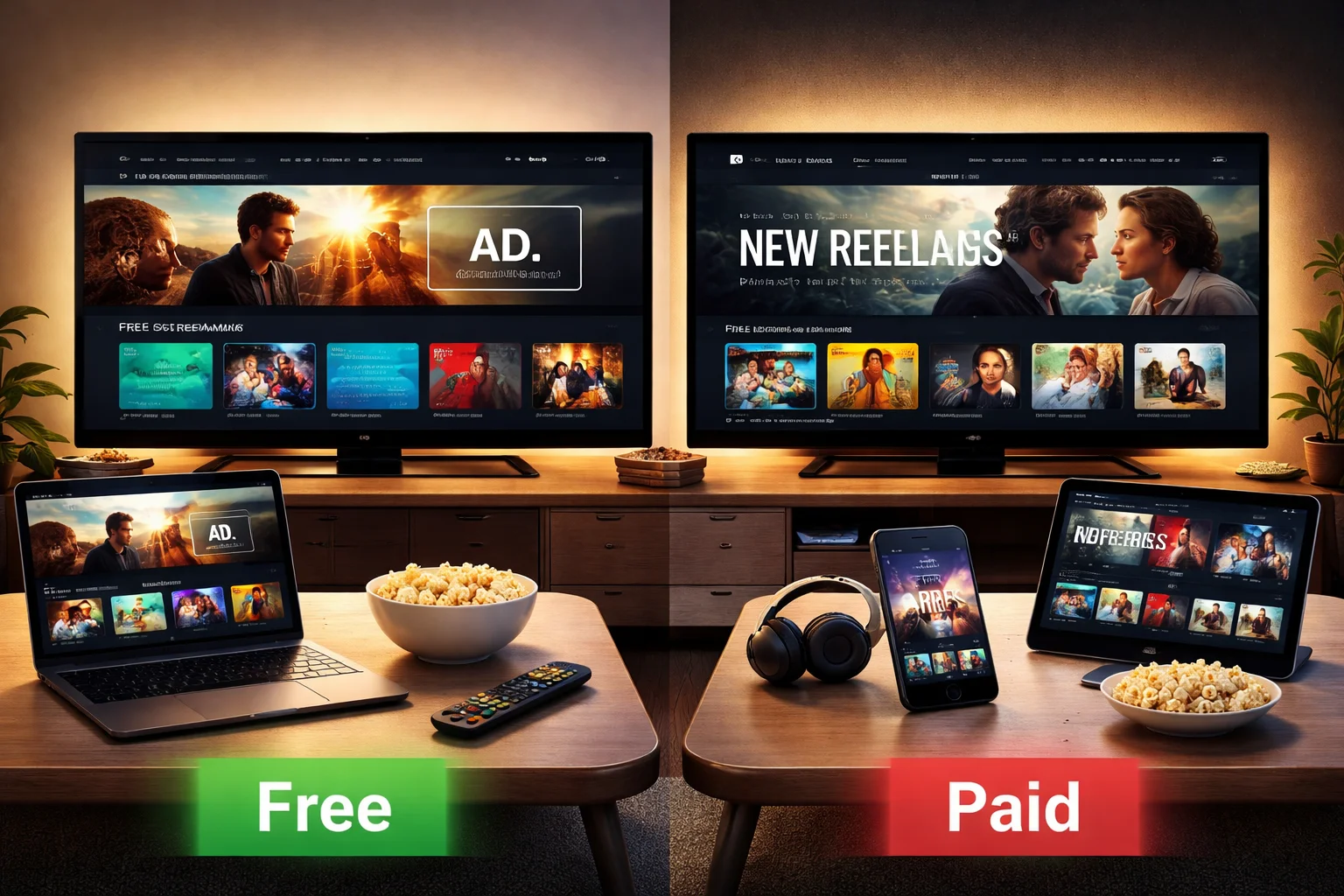
Free streaming platforms let you watch content without paying a subscription fee. Instead, they usually make money through ads.
You might notice:
- Short commercial breaks during videos
- Limited control over playback features
- A smaller or rotating content library
Examples include ad-supported movie apps, free TV platforms, and some official network websites.
What defines a paid streaming platform?
Paid streaming platforms require a monthly or yearly fee. In return, they usually offer a more controlled and premium experience.
This often includes:
- No ads or very limited ads
- Access to exclusive or original content
- Better video quality and features
Paid platforms focus on convenience, consistency, and depth of content.
How Free Streaming Platforms Actually Work
Free platforms aren’t “free” by accident. They follow a specific model that trades attention for access.
Advertising is the main currency
Instead of charging you money, free platforms sell advertising space.
That means:
- You watch ads before or during content
- Your viewing time helps generate revenue
- The platform prioritizes advertiser-friendly content
For casual viewing, this trade-off can feel reasonable.
Content libraries are usually limited
Free platforms rarely have the latest releases or big exclusives.
You’ll often find:
- Older movies and TV shows
- Public domain or licensed content
- Fewer original productions
This doesn’t mean the content is bad—just more selective.
Viewing experience is more restricted
Free platforms usually limit advanced features.
Common limitations include:
- Lower resolution streaming
- Fewer download or offline options
- Basic recommendation systems
They are designed for accessibility, not customization.
How Paid Streaming Platforms Are Structured
Paid platforms operate on a different promise: consistent quality in exchange for money.
Subscription fees fund content creation
Your subscription directly supports:
- Original shows and films
- Licensing deals for popular content
- Platform improvements and features
This funding model allows paid platforms to invest long-term.
Fewer interruptions, more control
One major reason people pay is the viewing experience.
Paid platforms usually offer:
- Ad-free or nearly ad-free viewing
- Multiple user profiles
- Watchlists, downloads, and smart recommendations
Everything is designed to feel smooth and personal.
Content updates are more predictable
Paid platforms tend to refresh their libraries regularly.
You can expect:
- Scheduled new releases
- Ongoing original series
- Clear content categories and search tools
This reliability is part of the value.
Which Option Is Better for Different Types of Viewers?
There’s no single “better” choice. It depends on how and why you stream.
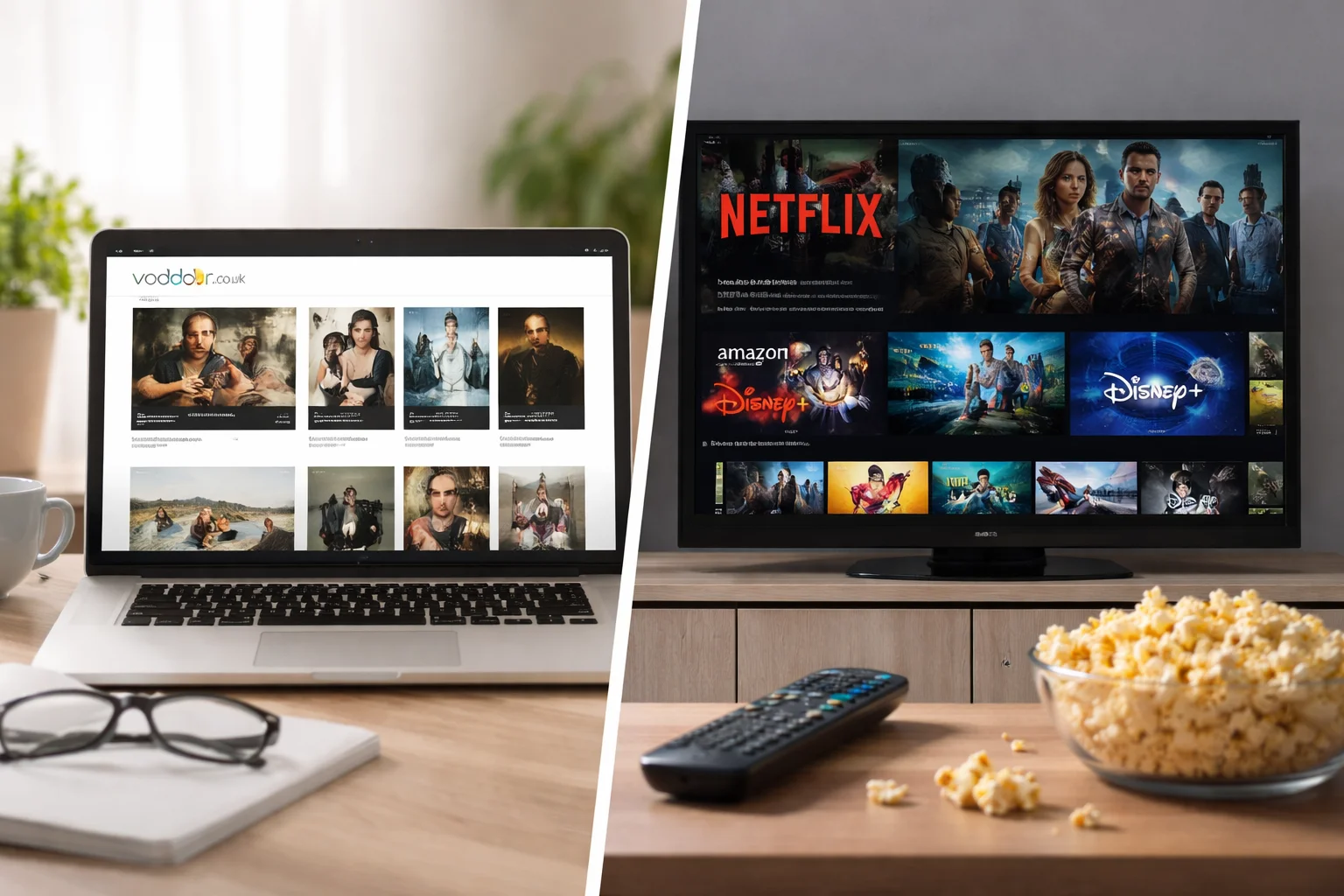
See also Whether Voddler.co.uk is free or paid to use
If you watch occasionally or casually
Free platforms often work well if:
- You stream once in a while
- You don’t mind ads
- You’re flexible about what you watch
They’re useful for background viewing or light entertainment.
If you value quality and convenience
Paid platforms make sense if:
- You stream frequently
- You want uninterrupted viewing
- You care about exclusive shows or films
For families or shared households, paid plans can feel more efficient.
If budget is a major concern
Free platforms are obviously appealing when cost matters.
However, some users:
- Rotate paid subscriptions monthly
- Combine one paid service with free platforms
- Cancel subscriptions when not in use
You don’t have to choose only one model.
Content Variety and Discovery: A Real Difference
One of the biggest practical differences is how content is discovered.
Discovery on free platforms
Free platforms often highlight:
- Trending or sponsored content
- Popular categories rather than personalization
- General audience appeal
Discovery can feel random but occasionally surprising.
Discovery on paid platforms
Paid platforms usually focus on:
- Personalized recommendations
- Viewing history and preferences
- Curated collections
This helps users quickly find content they’re likely to enjoy.
Privacy, Data, and User Experience
Many people don’t consider this, but it matters.
Data use on free platforms
Because ads are central, free platforms often collect more viewing data.
This may include:
- Watch time
- Interaction with ads
- Content preferences
The goal is better ad targeting.
Data use on paid platforms
Paid platforms still collect data, but mainly to:
- Improve recommendations
- Enhance user experience
- Track platform performance
The relationship feels more service-based than ad-driven.
Can Free and Paid Platforms Coexist?
Yes—and for many people, they already do.
Mixing both options makes sense
A common approach is:
- Using free platforms for casual or background content
- Keeping one paid platform for favorites or family viewing
This balance reduces cost while maintaining quality access.
Streaming habits change over time
What works now may change later.
For example:
- Students may prefer free platforms
- Families may prefer paid services
- Busy professionals may value ad-free convenience
Streaming choices are flexible, not permanent.
Frequently Asked Questions
Are free streaming platforms legal?
Yes, as long as the platform has proper licensing. Always use official apps or websites to avoid legal and security issues.
Do paid platforms always offer better content?
Not always. Paid platforms usually offer more exclusive content, but free platforms can still have high-quality shows and movies—just fewer options.
Can I rely only on free platforms?
You can, especially if your expectations are flexible. However, you may miss out on newer releases and premium features.
Final Thoughts: Making the Right Choice for You
Free and paid streaming platforms serve different needs. Free platforms trade ads for access, while paid platforms trade money for comfort, consistency, and control.
The best choice depends on:
- How often you stream
- What kind of experience you want
- How much flexibility you’re comfortable with
There’s no pressure to commit fully to one side. Many people find that combining both options gives them the best balance of value, variety, and convenience—without overthinking it.
Streaming should fit your life, not the other way around.