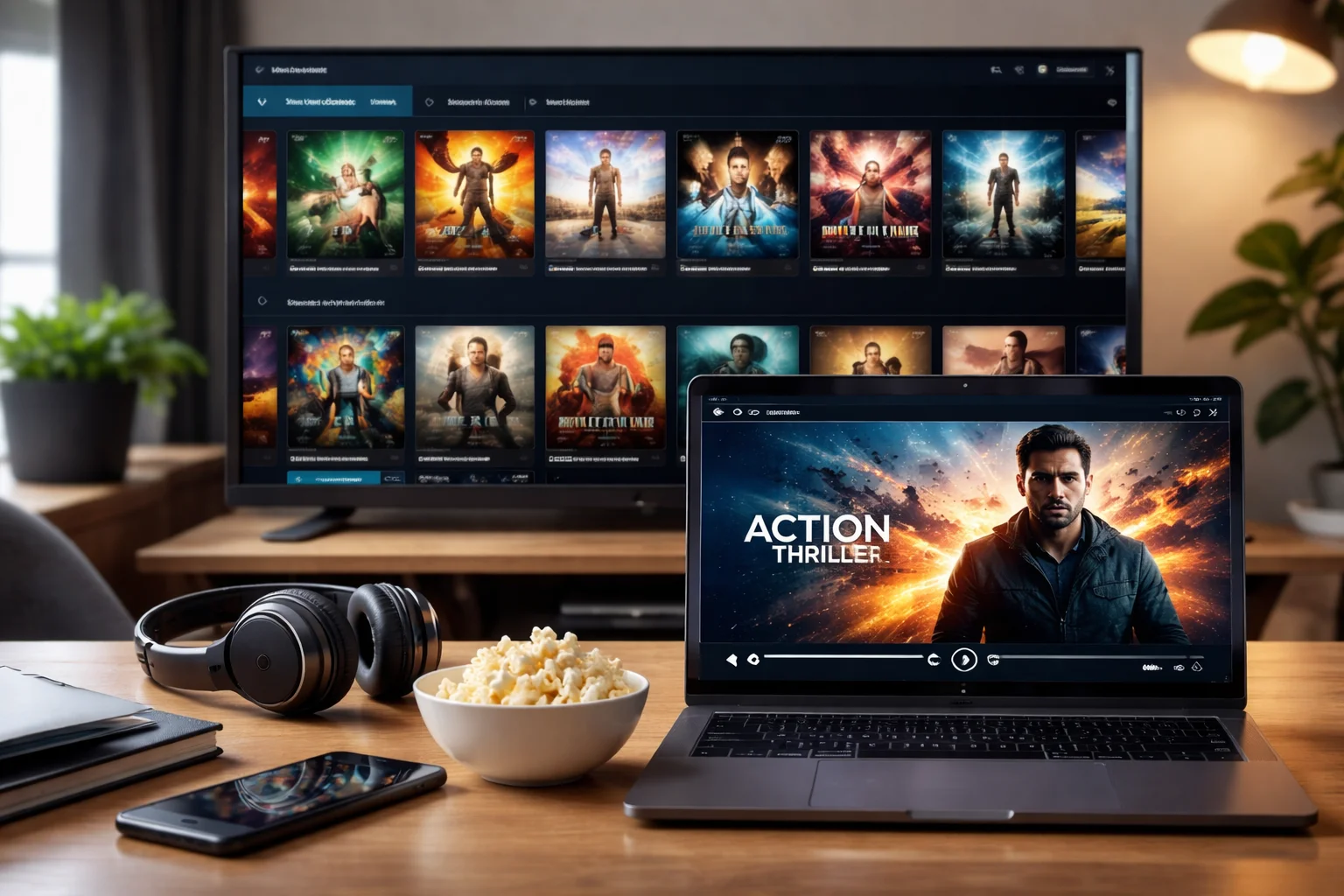
If you’ve ever landed on a movie website and felt unsure where to start, you’re not alone. Some platforms overwhelm users with endless thumbnails, while others don’t explain what kind of content they actually offer. When people search for a clear overview of a content library, what they usually want is simple: What’s available, how it’s organized, and whether it fits their viewing habits.
This article helps you understand how a modern online movie content library works, with a focus on movies and genres. By the end, you’ll know what to expect, how to explore content efficiently, and how to decide if a platform’s library matches your interests.
What does a movie content library actually include?
A content library is more than just a list of films. It’s the structure behind how movies are collected, categorized, and presented to viewers.
See also How the Voddler platform organizes and presents content
Movies as the core of the library
At the center are the movies themselves. These usually include a mix of older titles, mainstream releases, and sometimes lesser-known films. A well-built library gives users enough detail—such as plot summaries, release years, and basic metadata—to decide what to watch without extra research.
Supporting information that helps decisions
Beyond the movie titles, libraries often provide short descriptions, genre labels, and sometimes quality or format indicators. This context matters because it saves time and reduces guesswork, especially for users browsing casually rather than searching for a specific title.
How genres help users navigate large collections
Genres are one of the most important tools in any movie library. Without them, even a small collection can feel messy and frustrating.
Clear genre categories reduce confusion
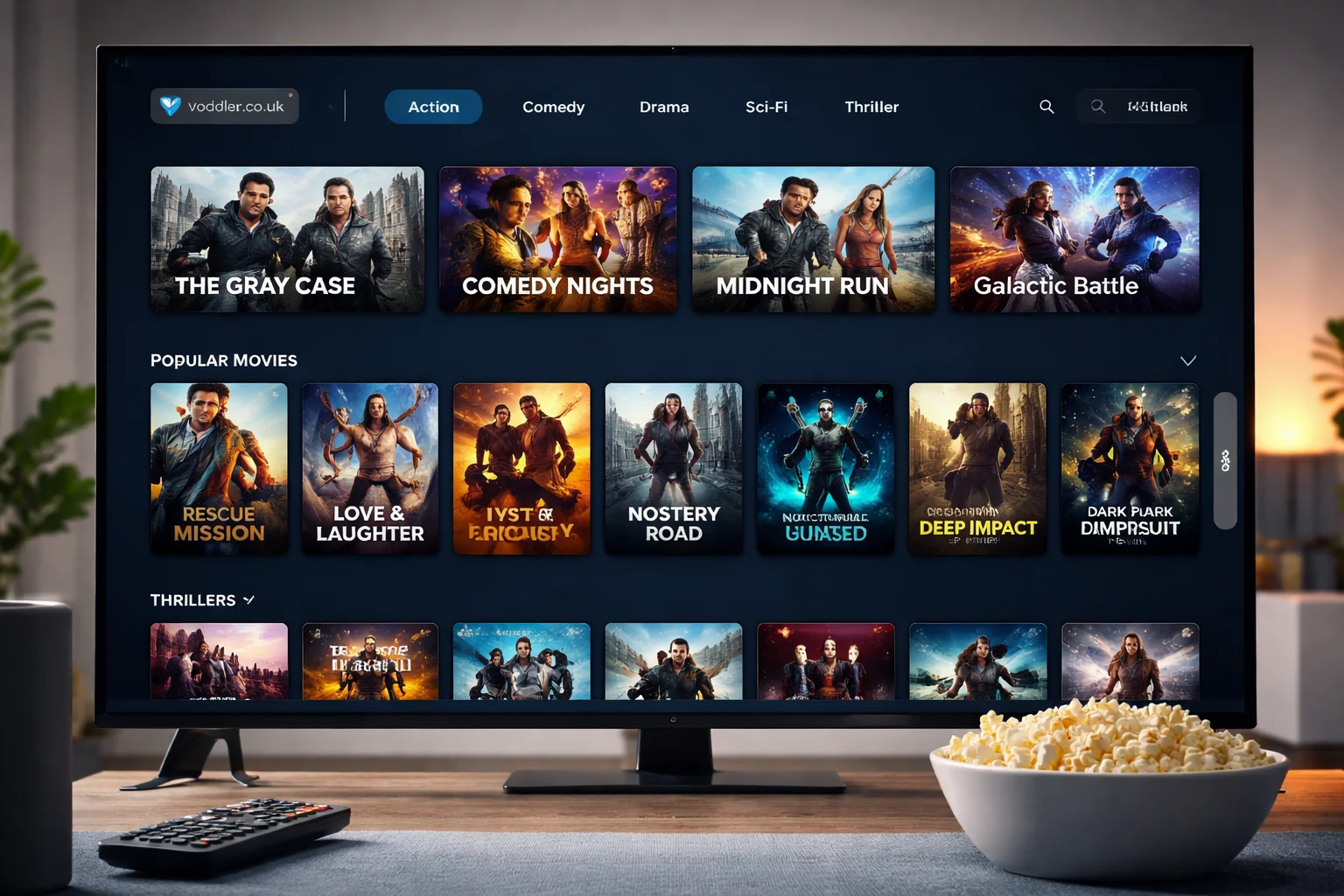
Genres group similar movies together—such as drama, action, comedy, or thriller—so users can explore based on mood rather than exact titles. This is especially helpful for viewers who know what kind of experience they want but haven’t chosen a specific film yet.
Multiple genres reflect real viewing habits
Many movies fit into more than one genre. A thoughtful library allows overlap, helping users discover films they might miss if categories were too rigid. This flexibility mirrors how people actually think about movies in real life.
What makes a content library easy to use?
A library’s value isn’t only about how many movies it has. Usability plays a major role in whether people enjoy browsing it.
Simple structure over flashy design
Clean menus, clear labels, and logical grouping matter more than visual effects. Users should be able to move from genres to individual movies without feeling lost or distracted.
Browsing without pressure
Good libraries don’t push users aggressively toward certain titles. Instead, they allow calm exploration, where viewers can scroll, read, and decide at their own pace.
Why people explore online movie libraries today
People use online content libraries for different reasons, and understanding these motivations explains why structure and clarity matter so much.
Casual discovery and relaxed viewing
Some users browse simply to see what’s available, much like walking through a video store in the past. They may not watch anything immediately, but they want to know their options.
Purpose-driven searches
Others arrive with a clear goal—finding a movie within a specific genre or time period. For them, efficient categorization and accurate descriptions make the difference between staying or leaving.
How modern platforms present movies and genres together
Modern libraries try to balance depth with simplicity. Movies and genres are often linked so that users can move naturally from one to the other.
From genre to movie, and back again
A user might start with a genre, click a movie, then explore similar titles from there. This circular navigation keeps browsing intuitive and prevents dead ends.
Consistency across the library
When genre labels, descriptions, and layouts stay consistent, users build trust in the platform. They learn what to expect, which makes exploration more comfortable over time.
A note on Voddler.co.uk as an example
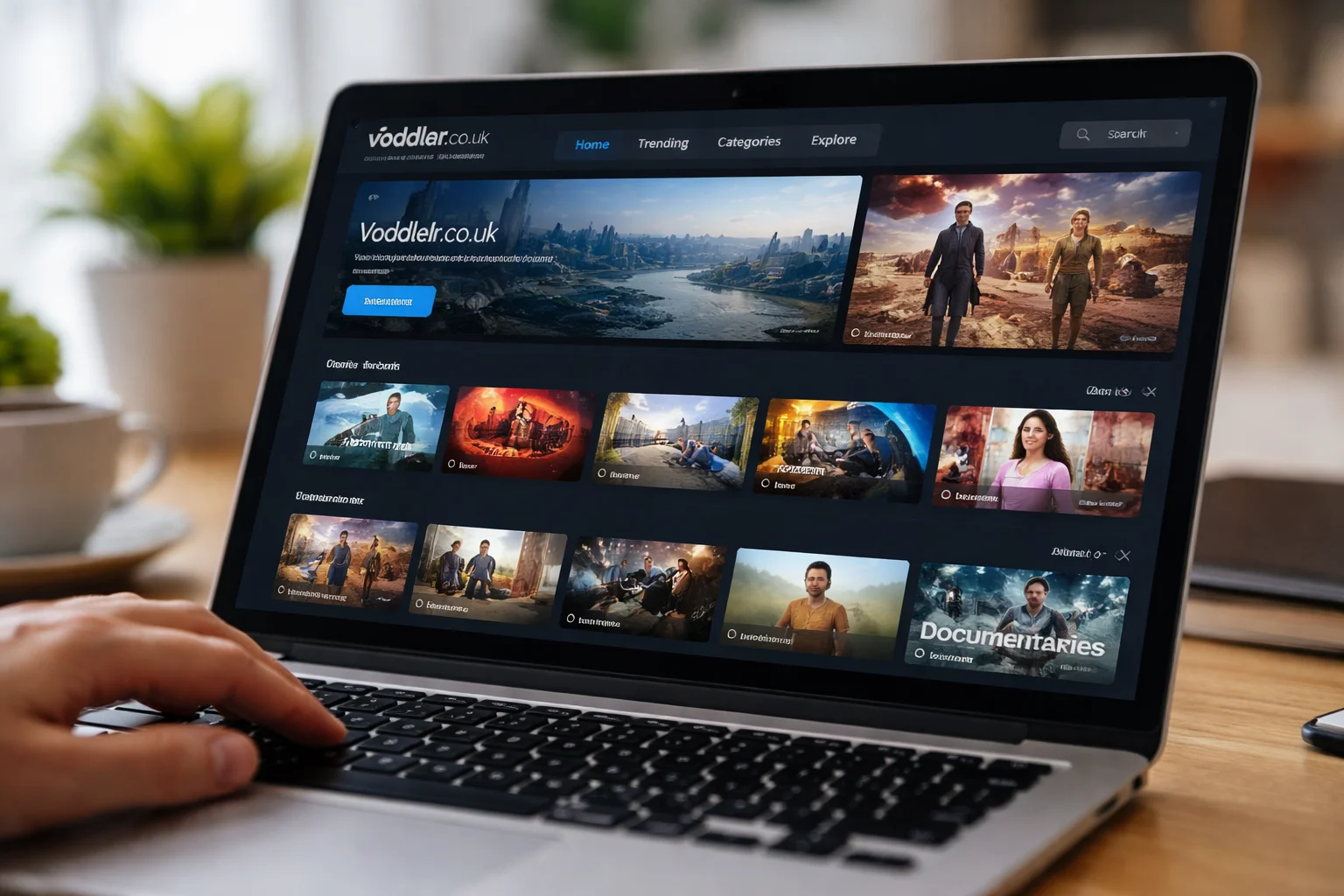
Some platforms, such as Voddler.co.uk, present their content library with a focus on structured movie listings and genre-based navigation. When mentioned in a broader context, it serves as an example of how online libraries aim to organize movies in a way that supports both browsing and discovery, without requiring deep technical knowledge from the user.
Frequently Asked Questions
Is a larger content library always better?
Not necessarily. A smaller, well-organized library can be easier and more enjoyable to explore than a large but poorly structured one.
Why do genres matter so much in movie libraries?
Genres help users quickly narrow choices based on mood or interest, making browsing faster and less overwhelming.
Can I rely on descriptions instead of trailers?
Short descriptions are often enough to decide if a movie matches your taste, especially when genres and summaries are clearly written.
Final thoughts
A well-designed movie content library is about clarity, not complexity. When movies are organized thoughtfully and genres reflect real viewing habits, users feel more confident exploring and choosing what to watch.
Understanding how these libraries work helps you navigate them more comfortably and decide whether a platform fits your needs. In the end, the best content libraries don’t rush you—they guide you quietly, letting curiosity do the rest.