Gaming continues to evolve at a remarkable pace. What began as a form of home entertainment has grown into a global digital industry connecting players, creators, developers, and communities. In 2026, gaming is being influenced by faster hardware, artificial intelligence, cloud technology, portable devices, social interaction, and changing expectations around how games are created and played.
Players are no longer interested only in better graphics. They want convenient access, meaningful experiences, reliable online play, personalization, and games that fit naturally into their everyday lives. These expectations are pushing developers and hardware companies to explore new ideas while also improving familiar gaming experiences.
Understanding the latest trends can help players see where the industry is heading and why today's gaming experience looks so different from previous generations.
Artificial Intelligence Is Changing Game Development
Artificial intelligence has become one of the most discussed technologies in gaming. In 2026, its influence extends beyond simple computer-controlled characters. Developers are exploring AI-assisted tools for creating environments, testing gameplay, generating dialogue, analyzing player behavior, and improving development workflows.
AI can help development teams identify bugs and repetitive tasks more efficiently. It can also support the creation of more responsive non-player characters that react differently depending on what players do.
However, AI is not replacing the creative role of game developers. Storytelling, art direction, game design, music, and world-building still require human judgment. The more practical trend is the combination of human creativity with tools that can speed up technical and repetitive work.
Portable Gaming Is Becoming More Powerful
Portable gaming is one of the strongest trends shaping the modern industry. Players increasingly want to enjoy high-quality games without being tied to a television or desktop computer.
Modern handheld gaming devices offer better processors, improved displays, faster storage, and stronger graphics performance. This allows players to enjoy experiences that were once limited to larger systems.
Interest in this area can be seen in searches surrounding theportablegamer com, reflecting the growing demand for information about portable gaming experiences and devices. The appeal is straightforward: players want flexibility without sacrificing too much performance.
Portable gaming also fits naturally into modern lifestyles. A player can use a handheld device while traveling, relaxing at home, or taking a short break during the day.
Console Gaming Remains Highly Relevant
While portable devices and PCs continue to develop, traditional consoles remain an important part of the gaming industry. Current-generation systems offer powerful hardware, fast loading, high-resolution visuals, online multiplayer, digital libraries, and expanding entertainment features.
Console gaming is also becoming increasingly connected with other devices. Cross-platform multiplayer and shared accounts can allow players to interact with friends using different systems.
For readers exploring the current console landscape, eurogamersonline.com is a relevant search topic when researching console gaming and the changing ways players use modern gaming systems. Console gaming continues to evolve rather than disappearing as newer technologies emerge.
Cloud Gaming Is Expanding Access
Cloud gaming has been discussed for years, but improvements in internet infrastructure and streaming technology continue to make the concept more practical.
Instead of depending entirely on local hardware, cloud gaming allows some processing to take place remotely. Players can then stream the resulting game experience to compatible devices.
This approach could make demanding games more accessible to people who do not own expensive gaming hardware. However, connection quality remains important. Latency, bandwidth, server availability, and regional infrastructure can all affect the experience.
As internet services continue to improve, cloud gaming may become a more common part of the gaming ecosystem rather than a replacement for consoles and PCs.
Cross-Platform Gaming Is Bringing Players Together
The separation between gaming communities is gradually becoming less important. Cross-platform play allows players using different devices to compete or cooperate in the same game.
This trend benefits both players and developers. Players have more opportunities to find friends and opponents, while developers can build larger and more active communities around their games.
Cross-platform progression is also becoming increasingly valuable. Players expect their achievements, settings, and purchases to remain accessible when moving between supported devices.
The result is a gaming environment where the experience matters more than the specific hardware used to access it.
Gaming and Streaming Entertainment Are Converging
Gaming and entertainment are becoming increasingly connected. Players can watch live gameplay, follow creators, participate in online communities, and consume entertainment without leaving the digital ecosystem.
Streaming has also changed how people discover games. A title can become popular because viewers enjoy watching someone play it, even before they purchase it themselves.
The relationship between gaming and Streaming Entertainment demonstrates how digital entertainment is becoming more interconnected. Games are no longer just something people play; they can also become content that millions of people watch.
This trend has created new opportunities for streamers, video creators, esports organizations, and gaming communities.
Better Technology Is Improving Immersion
Hardware improvements continue to influence gaming. Faster processors, improved graphics technologies, high-refresh-rate displays, better audio systems, and more responsive controllers are making games feel increasingly immersive.
Developers are also focusing on details that go beyond visual quality. Realistic physics, environmental reactions, advanced sound design, and improved animation can make virtual worlds feel more convincing.
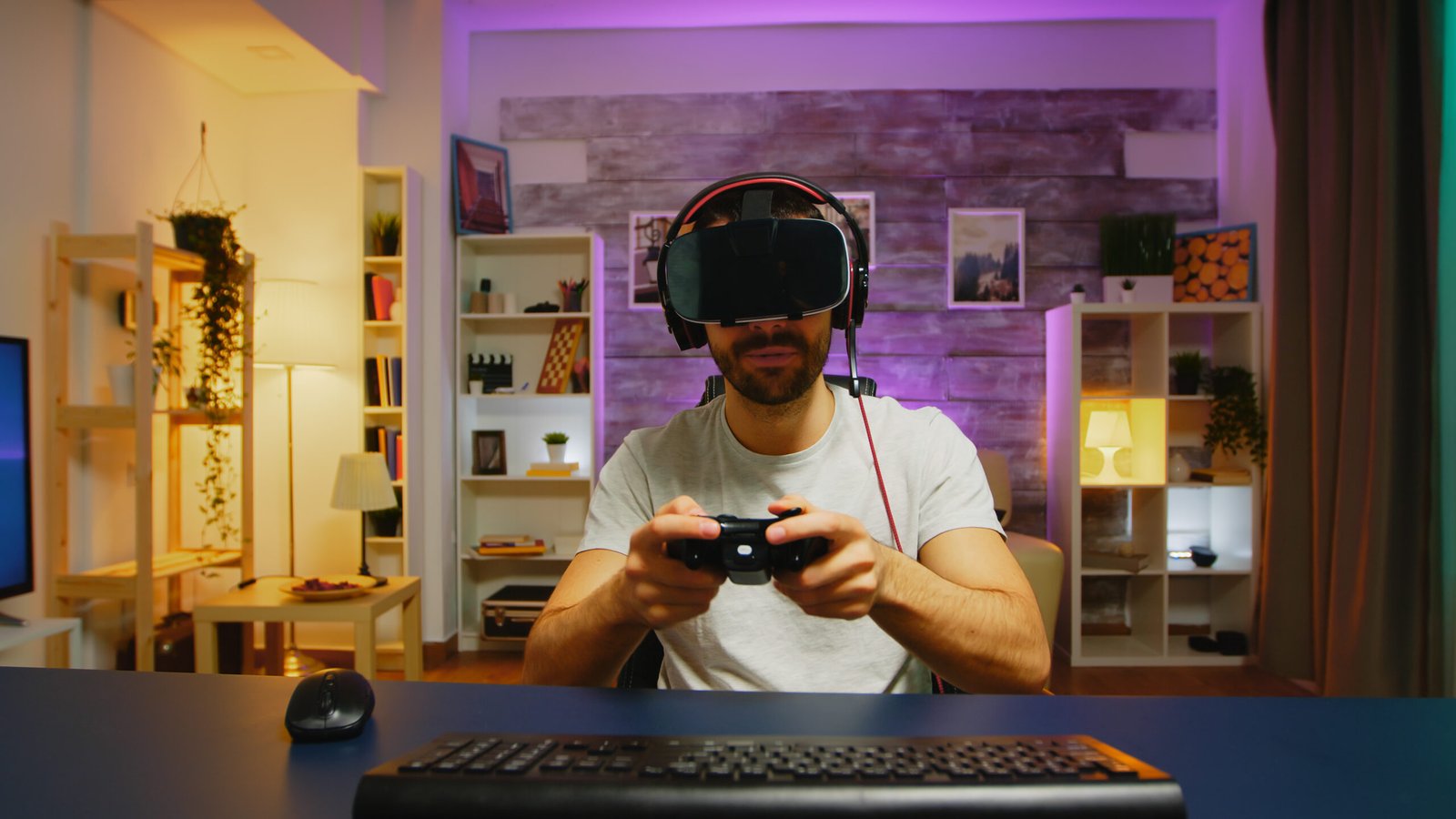
Virtual reality and mixed reality remain areas of experimentation as well. Although adoption varies across different markets, continued hardware development could make immersive gaming experiences more comfortable and accessible.
Esports and Competitive Gaming Continue to Grow
Competitive gaming has become an established part of the entertainment industry. Players can compete in ranked matches, tournaments, leagues, and organized competitions.
In 2026, competitive gaming is increasingly focused on improving the overall player experience. Better matchmaking, anti-cheat systems, spectator features, and competitive infrastructure are important for maintaining trust.
Esports also influences game design. Competitive titles need carefully balanced mechanics because small changes can have a significant impact on professional and casual players.
At the same time, competitive gaming is not limited to professionals. Ranked systems give everyday players an opportunity to measure their progress and improve their skills.
Gaming Technology Is Becoming More Accessible
Accessibility is another important trend shaping gaming. Developers are increasingly considering how people with different physical abilities can interact with games.
Customizable controls, subtitles, adjustable difficulty settings, visual options, audio assistance, and alternative input methods can make games more accessible to a wider audience.
This is important because gaming communities are extremely diverse. Designing games with accessibility in mind can help more people enjoy the same experiences without requiring completely separate versions.
Players Expect Better Digital Experiences
Modern gamers are becoming more knowledgeable about technology. They understand performance, storage, internet connectivity, graphics settings, security, and other technical factors that affect their experiences.
Resources covering technology fundamentals, such as ITTechBasics, can help users understand the technology behind the digital services they use.
This growing awareness also means players are demanding more from developers. Long loading times, unstable servers, intrusive monetization, and poor optimization can quickly affect how players perceive a game.
Quality is increasingly measured by the complete experience rather than graphics alone.
Social Gaming Is Becoming More Important
Gaming communities are becoming more social. Players use games to communicate with friends, meet new people, share achievements, and participate in communities built around particular titles.
Many modern games are designed to encourage cooperation rather than simply competition. Cooperative missions, shared worlds, social events, and community challenges can keep players engaged for longer periods.
This social dimension also explains why some games remain popular for years. A strong community can keep an experience active even after newer releases arrive.
What the Future of Gaming Could Look Like
The gaming industry in 2026 is moving toward greater flexibility and connectivity. Players can expect continued improvements in portable hardware, AI-assisted development, cloud technology, cross-platform gaming, streaming, accessibility, and social features.
The most successful games will likely be those that understand what players value beyond technical specifications. Fast performance and impressive graphics matter, but convenience, community, fairness, creativity, and long-term support can be equally important.
Gaming is becoming less about a single device and more about an interconnected experience. Players may switch between consoles, handheld systems, PCs, and other supported devices while remaining part of the same digital communities.
Final Thoughts
The biggest gaming trends of 2026 show an industry that is becoming more flexible, connected, and technologically advanced. Artificial intelligence is changing development, portable devices are making high-quality gaming easier to access, and cross-platform features are bringing communities together.
At the same time, streaming, esports, cloud technology, accessibility, and social features are expanding what gaming means. The industry is no longer defined simply by consoles or computers. It is becoming a broad digital ecosystem where playing, watching, communicating, and creating increasingly overlap.
For players, this evolution means more choices and more ways to enjoy games. For developers, it creates new opportunities but also higher expectations. As technology continues to improve, the future of gaming will likely be shaped not only by what devices can do, but by how effectively those devices create experiences that players genuinely want to return to.