If you’ve ever tried to choose a streaming platform, you’ve probably felt the same confusion most people do. There are the big, familiar names everyone talks about. Then there are quieter, lesser-known platforms that seem interesting but harder to judge.
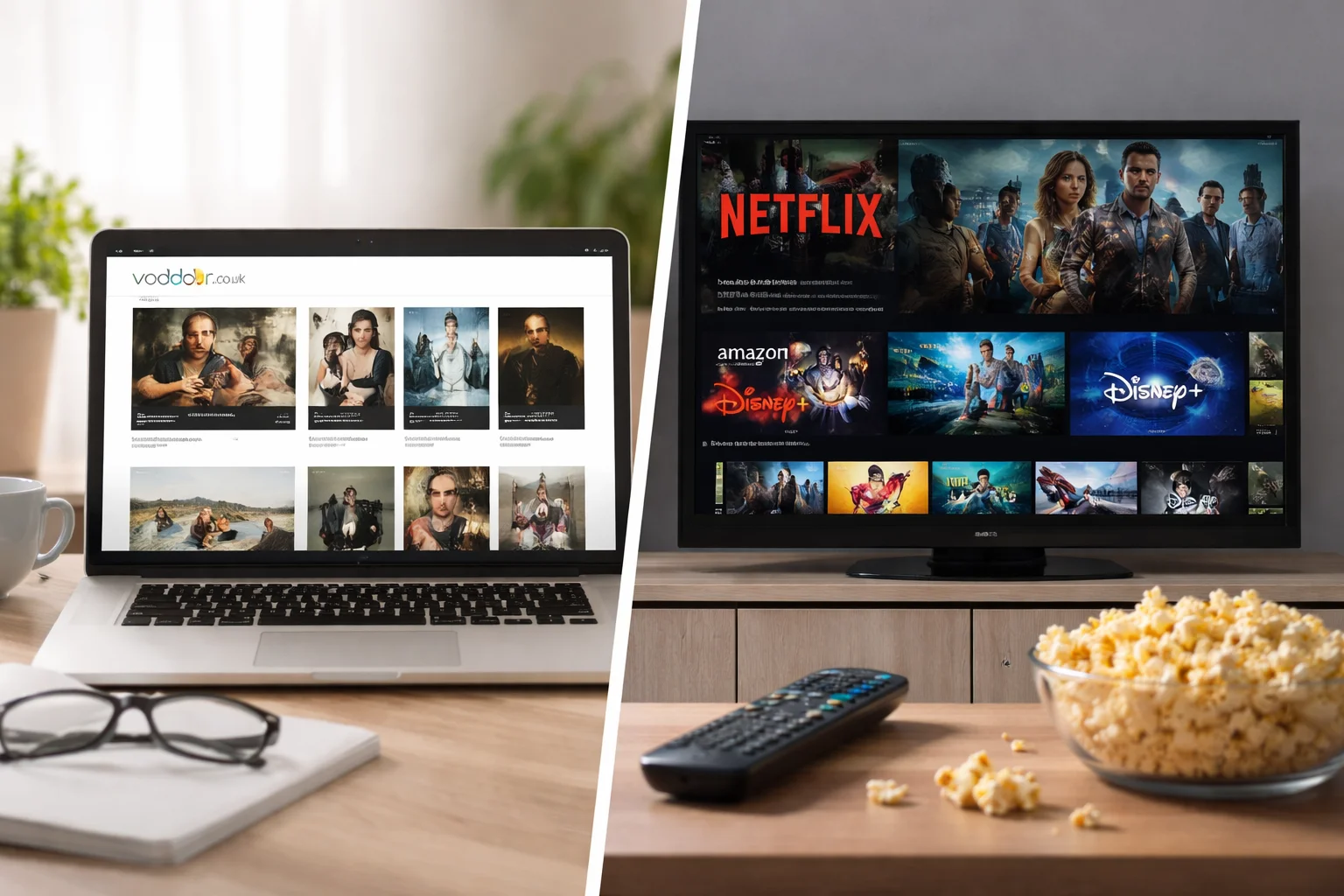
This article is here to help you understand that difference. We’ll calmly explore how an independent platform like Voddler.co.uk compares with large, mainstream streaming services—without hype, pressure, or sales talk—so you can decide what actually fits your viewing habits.
Why some viewers look beyond mainstream streaming platforms
Choice fatigue is real
Many users feel overwhelmed by endless menus, recommendations, and exclusive deals. You open an app and spend more time scrolling than watching.
This has led some viewers to look for simpler, more focused platforms.
Not everyone wants the same kind of content
Mainstream services are built for very large audiences. That usually means:
- Heavy focus on trending shows
- Big-budget originals
- Content designed for mass appeal
For viewers who want something different—older titles, niche categories, or a calmer browsing experience—this model doesn’t always feel satisfying.
How mainstream streaming platforms are designed to work
Scale comes first
Platforms like Netflix, Amazon Prime Video, and Disney+ are built around scale.
See also How modern streaming platforms are structured
Their priorities usually include:
- Releasing content frequently
- Promoting exclusives
- Keeping users engaged as long as possible
This works well for people who enjoy new releases and popular series.
Algorithms guide most decisions
On large platforms, what you see is often shaped by viewing history, trends, and business priorities.
For some users, this feels helpful.
For others, it feels limiting—especially when they want to explore freely without being guided.
What independent streaming platforms do differently
A more curated experience
Independent platforms tend to focus less on volume and more on selection. Instead of thousands of options, they often aim to present content with clearer structure and purpose.
This can make discovery feel calmer and more intentional.
Less pressure, fewer distractions
Without constant promotion of “what’s new” or “what’s trending,” viewers can focus on watching rather than browsing.
Some users find this refreshing, especially if they already know what type of content they enjoy.
Where Voddler.co.uk fits into this landscape
A quieter alternative for specific viewers
Voddler.co.uk represents the independent side of streaming. Rather than competing directly with major platforms, it appeals to users who value:
See also A clear review of how the Voddler platform works
- Simplicity over scale
- Exploration over recommendations
- A less commercial viewing atmosphere
It isn’t designed to replace every service, but to offer a different experience for people who want one.
Not better—just different
For some viewers, mainstream platforms are perfect.
For others, an independent option feels more comfortable.
Understanding that difference is more useful than trying to rank platforms against each other.
Content variety: broad libraries vs focused collections
Mainstream platforms aim wide
Large services try to cover everything:
- Drama, comedy, documentaries
- International content
- Family, kids, and adult audiences
This breadth is impressive, but it can also feel unfocused.
Independent platforms tend to go deeper
Smaller platforms often focus on:
- Specific genres
- Older or less-promoted titles
- Content that isn’t driven by trends
For viewers who enjoy discovering overlooked material, this approach can feel more rewarding.
User experience and interface expectations
Big platforms prioritize engagement
Autoplay, previews, and endless suggestions are common. These features are designed to keep attention.
Some users enjoy this. Others find it distracting.
Independent platforms prioritize clarity
Interfaces are usually simpler, with fewer interruptions. Navigation is often more direct.
This makes them appealing to viewers who want control over their watching habits.
Availability, regions, and expectations
Mainstream services dominate globally
Platforms like BBC iPlayer or Netflix have strong regional strategies and licensing agreements.
This makes them reliable for mainstream content access.
Independent platforms may vary
Smaller platforms can have more limited libraries depending on region. That’s not necessarily a drawback—just something to be aware of before committing time or expectations.
Who should consider which type of platform?
Mainstream platforms suit you if:
- You enjoy new releases and exclusives
- You like recommendations and trending content
- You want one service to cover many needs
Independent platforms suit you if:
- You prefer calm browsing
- You enjoy niche or less-promoted content
- You want a different viewing rhythm
Many people use both, depending on mood and purpose.
Frequently Asked Questions
Is an independent streaming platform a replacement for major services?
Usually not. It’s better seen as a complement, offering a different type of experience alongside larger platforms.
Do independent platforms have fewer titles?
Often yes, but the focus is usually on relevance rather than quantity.
Are mainstream platforms always better value?
That depends on how much you watch and what you enjoy. Value is about usefulness, not size.
Final thoughts
Choosing a streaming platform isn’t about finding “the best” option. It’s about finding what fits your viewing style.
Mainstream platforms offer scale, speed, and popularity. Independent platforms offer focus, simplicity, and a different pace. Neither is right for everyone—and that’s exactly why both exist.
Once you understand what each type is designed to do, the decision becomes much easier and far more personal.